

821st Friday Blog Roundup
We had a lovely little Thanksgiving at home. I made a ton of side dishes, a pie for Josh, and brownies for the rest of us. I started cooking on Wednesday, so Thursday was laid back and filled with Zoom calls. It was fine. On the plus side: we got a lot of relaxation in. On the minus side: we didn’t get to see family and friends.
Thanksgiving is the only holiday I don’t host. Up until now, everything has felt normal-ish as each holiday popped up on the calendar because I’m accustomed to preparing the meal. So the seders were kind of sad due to the people missing from my home, but I normally cook for days beforehand. So Pesach felt normal-ish until the actual meal. Same with Rosh Hashanah, et al. But we go to my parents for Thanksgiving, so I’m not accustomed to making stuffing and Brussels sprouts. At least, not for Thanksgiving. So no holidays off this year. The cooking train continues rolling.
I’m looking forward to spending the weekend reading with my pig. So there’s that. Though I’m missing seeing everyone this year.
*******
Stop procrastinating. Go make your backups. Don’t have regrets.
Seriously. Stop what you’re doing for a moment. It will take you fifteen minutes, tops. But you will have peace of mind for days and days. It’s the gift to yourself that keeps on giving.
As always, add any new thoughts to the Friday Backup post and peruse new comments in order to find out about methods, plug-ins, and devices that help you quickly back up your data and accounts.
*******
And now the blogs…
But first, second helpings of the posts that appeared in the open comment thread last week. In order to read the description before clicking over, please return to the open thread:
- None… sniff.
Okay, now my choices this week.
Infertile Phoenix is missing her children. She sees a picture of children playing in a blanket fort, and she writes, “But suddenly, I felt a visceral longing in my heart and being that will never be filled. My son or daughter never got to be a big brother or big sister to my other son or daughter. They didn’t get to build living room blanket forts, play together, and antagonize each other. I didn’t get to hear them laugh and bicker. And I felt profoundly sad.” She takes this enormous feeling and puts it in perspective, making it manageable while still painful. It’s a lovely post about how to acknowledge grief and work through it.
Finding My Plan B writes about an amazing online retreat where she learned so much about herself. She explains: “The retreat gave me a place to switch off from my life, to stop and to hear … I went on The Bridge feeling confused, misunderstood and unaccepted. I crossed the Bridge realising that I already know who I am I was just too afraid to be her because of other people’s opinions.” Love where she ended up through this.
Lastly, Much Ado About Nothing has a profound musing on self-improvement: “But the mind can be a dangerous place, and I’ve realized I have a lot of things in my life I have never completely worked through, because I didn’t know how.” She is trying to come to terms with choices that were taken away from her, and she has set confronting the facts into motion. It’s a turning point post that leaves you holding your breath.
The roundup to the Roundup: Thanksgiving. Your weekly backup nudge. And lots of great posts to read. So what did you find this week? Please use a permalink to the blog post (written between November 20 – 27) and not the blog’s main url. Not understanding why I’m asking you what you found this week? Read the original open thread post here.
November 27, 2020 3 Comments
Matryoshka Troubles
Every year, we joke about making a turducken. It’s sort of the gold standard for Thanksgiving cooking: a chicken inside a duck inside a turkey. (I think I have the order correct?)
We are not having a turducken. We are not even having a turkey. The twins wanted a meal of really good side dishes, which often involve dairy. (And we don’t mix meat and dairy in the same meal.) So we’re having a dairy meal—just tofu for protein, not even a Tofurkey—so we can have mashed potatoes and mushroom stuffing and Brussels sprouts.
But I was thinking that the turducken as a symbol is the perfect inverse image of this particular Thanksgiving with its matryoshka mess of troubles. It’s personal situations (infertility, perhaps) inside election / transition stress inside civil unrest inside COVID-19. It’s everything snowballed together into a stressful little holiday.
So.
If you are having a hard day—or even if you’re having an easy day—I am sending peace of heart. Feel what you are going to feel today. Miss who you are going to miss today. Big breath in, and big sigh out.
November 26, 2020 10 Comments
The Welcome Table: An Annual Online Thanksgiving Meal
[Melissa stands up, taps her fork against her glass, and clears her throat. The conversation around the table dies down. She looks at everyone at the table.]
We do this every year: Come together as a community and have a virtual meal before we scatter to our actual meals. Unless, that is, you do not celebrate Thanksgiving. But I hope that you’ll join the table for virtual food and company even if you don’t follow this tradition offline.
Of course, you may be going nowhere this year due to COVID-19. I know that we will be home, missing everyone. This is a really hard year.
We’ve virtually eaten together since 2009. That’s when this tradition began. There are some people hurting at this table. For some people, this pre-meal is what gets them through their real meal later in the week. People have written that they’ve printed out this yearly post and comments and left the paper in their purse because it helped to have a tangible reminder that there were people out there who got it. Who weren’t going to ask them when they were going to hurry up and have children. Who weren’t going to cringe when someone spoke the name of a child they lost.
We are all so different. All of us. Around this table. But we have this one facet of our lives — and yes, even though it may be a big, overpowering one for you right now, it is only one facet of who you are — where we overlap: infertility or adoption or loss. And I am so thankful, so grateful, that I found all of you. Everyone needs a You-shaped space where they can be themselves. And that’s what I have here.
So every year, I ask people to bring a virtual dish to our meal. Place it in the comment section, explaining what you brought and why. And say anything else you need to say before sitting back down to enjoy the company. Update about where you are; your emotional state.
We’re an international group, hailing from countries all around the world. So while Thanksgiving is an American tradition, I hope that everyone around the world feels as if they can participate. (Especially our Canadian neighbours who celebrated Thanksgiving weeks ago.) I’d love for your dish to come from your culture or country. Don’t worry about the contents on the table clashing.
As always, I am bringing stuffing. It’s comfort food; mushy and soggy and warm.
So what did you bring and what do you want to say to the community?
And please, start eating as everyone is introducing their dish. We don’t want the food to get cold and there are so many of us at this table. Thank you so much for coming, and I’m going to carry the warmth of this meal with me for the rest of this week.
November 24, 2020 9 Comments
#Microblog Monday 326: Hitting the Book Trail
 Not sure what #MicroblogMondays is? Read the inaugural post which explains the idea and how you can participate too.
*******
If you want a fun distraction this week, hit the book trail. It’s a site where you can type in a destination and find books set in that place. Can’t get to the Faroe Islands? You can read two books set there. Interested in finding books where characters touch down in Thailand? There are pages of results.
I thought it would be fun to jump from continent to continent over winter break.
Where do you want to go?
*******
Are you also doing #MicroblogMondays? Add your link below. The list will be open until Tuesday morning. Link to the post itself, not your blog URL. (Don’t know what that means? Please read the three rules on this post to understand the difference between a permalink to a post and a blog’s main URL.) Only personal blogs can be added to the list. I will remove any posts that are connected to businesses or are sponsored post.
November 23, 2020 7 Comments
How to Get From Thanksgiving to New Years When You’re Not in the Mood
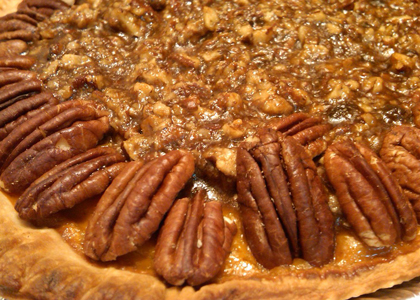
I’ve written a post like this every year, bringing together all the advice from the years before (my own and what appeared in the comment section) and then opening it up to additional ideas (which will be brought next year into the new post as well). Because this time of year can be both impossibly difficult or impossibly wonderful depending on which side of the happiness line you fall.
And this year is ten times harder due to COVID-19. Or ten times easier, depending, again, on things in your world. It would be great to hear how people are planning to celebrate this year.
Holidays are a lot of pressure — to get them right, to coordinate schedules/needs/wants, to navigate relationships, to travel. For some people those pressures are additionally pressed down by the knowledge of people missing from the table — either those who were once here or those who haven’t been brought into your family yet. And compounding it all is this ongoing message that holidays must be fun! They must be a happy time! Families must draw together and eat a spiral ham in front of a roaring fire with a sparkling tree in the background!
Even if they’re out of work. Even if they don’t have the family they want. Even if they’re in mourning.
For people who are happily moving through the holiday season, especially those finally celebrating after many dry years, I lift my virtual glass of champagne to you and send you off to enjoy it. Don’t apologize for being happy — just soak in this time.
For anyone else still sticking around to read this, remember that everyone experiences something in life that makes a particular year or set of years difficult for them. That for every holiday season that you enjoy and look forward to participating in, there is also a time in life where you dread all the reminders that come with a holiday season and wish you could avoid the whole thing. And this year may be that time for you, but it won’t always be that time for you. Things change; both for good and bad. This too shall pass.
You can sit out of the festivities if that’s what you need to do, but a survival guide is sort of like holding your breath to eat (you know, so you don’t taste anything) when your mother asks you to try lima beans. Like slimy green lima beans, going to events is usually good for you, and it’s important to be around people who care about you when the going is tough. You just may need a trick for getting through family time just as mouth-breathing (and not tasting) works for choking down undesired foods.
I’ll offer up the same advice I give every year with additional notes from comments that came on those old posts:
- Create your own incentives and treat getting through the holiday season as your job. Pay yourself in whatever will make you happy. For instance, after a trip to the local mall to have your picture taken with your niece and Santa, pay yourself with a manicure. Attending the holiday party from hell may win you an entire bar of chocolate. It’s worth setting up small incentives and budgeting for your own happiness because it can be something to focus on during the task at hand.
- You know the idea that you can take a large school and make it small but you can’t go the other way around? Flip that concept when it comes to the holidays: take a small part of the holiday and make it big. Focus on something that you can do and make it your contribution to the holiday season. If you know celebrating Christmas will be too much, make sure you throw yourself wholeheartedly into helping prepare Thanksgiving (and then develop an unfortunate case of the stomach flu on December 24th). If you can organize the family gift but can’t fathom how you’ll do Christmas dinner, make sure you send out an email to your siblings early asking for photos of your nieces and nephews so you can design a great picture calendar for your parents. And then skip the ham.
- Do all your shopping online instead of subjecting yourself to walking past the displays of toys and Christmas baby clothes at the store. Keep it simple this year – you have a lifetime to plot out the most fantastic gifts of all time. This may be the year that you need to buy a DVD or book for each person your list and be done.
- Leave a note in your pocket: write a note to yourself, ask a friend to jot something down, trade letters with your partner, or simply leave a list of names (therapist, fellow bloggers, the friend you’ll drink with the moment you get home) in your pocket to touch as a reminder that someone has your back when you begin to feel overwhelmed at the holiday table. I can’t be with you at your Christmas dinner (the whole Jew and vegetarian thing aside, I just don’t think your family is going to be cool if you drag along a random blogger), but I can give you a note right now to keep in your pocket. Simply print this out and whenever you get overwhelmed, touch it and remember that there are people out there who get you. And change the line about mini hot dogs if you’re a vegetarian:
Hey Sweetie:
I know it was really hard to come to this party/dinner/get together but now that you’re here, you’re even closer to it being over. Try to enjoy yourself, but if you can’t, nip into the bathroom for a cry or bury yourself at the buffet table and do nothing but eat mini hot dogs for the rest of the night. There is no shame in enduring rather than enjoying and you need to do whatever you need to do to get through this without ruining any relationships. Make sure you take time for yourself today/tonight after you get home. I’m here on the other end of the computer if you need me.
Love,
Mel
- Pick and Choose: there is no rule that says you must attend every event during the holiday season – even if you’ve gone to everything in the past. If it’s going to cause more grief than it’s worth, just attend the event. But if you can get your partner to “surprise” you with a holiday trip, all the better.
- Book: I actually include a lot of ideas like these in Navigating the Land of If to get through life in general; not just holiday. I’m just saying.
- I will tell you the only trick I have up my sleeve: the holiday card. Most holiday cards we receive are either generic package-of-12 types or pictures of kids/families. We send out cards every year that routinely get responses that it was the best card they’ve gotten all year, or sometimes the best card ever. Sometimes one fabulous photo of us in some fabulous locale; sometimes a whole series around the world (which it will have to be again this year). We used to just have a normal photo card, but now we include a newsy update of career progress and travels. The people with kids (or limited funds, or limited outlook) say, “Wow, your life is amazing. I’m stuck here at home.” I’m not trying to make them feel envious of us, but envy is way better than pity. –Baby Smiling in Back Seat
- All of our friends have been sending photo X-mas cards in the past years. In previous years, we’d send an awesome vacation photo. Like- heh!- we still had fun this year! –Mrs. Spock
- One tip I figured out early on: If you can’t shop online & have to go to the mall, find out what hours Santa will be there — & then go when he’s not around. There won’t be as many kids & babies around to deal with then. –The Road Less Travelled
- I manage to work in a reference to Katie in every edition of our Christmas letter … usually in relation to our volunteer work. But I like being able to remind people that she was real & is still a part of our lives. My Christmas card itself usually has either an angel or Classic Pooh theme (which was also the theme of her nursery). I know other people who use angel stamps on their cards as a subtle reminder of their lost baby(s). –The Road Less Travelled
- This year I solved my problem in the cowardly fashion … I offered to work. I work at a domestic violence shelter, which is open 24/7 … So I figure I might as well. I can get paid double time as well, so it’s all sorts of awesome. –An Unwanted Path
- I started listening to holiday music in August this year. I’m using it as my own private technique for connecting with the joy of the season early enough that I won’t suddenly get trampled in the crush of child-centric images, events, and conversations coming my way during the actual season. I want this year to be different! –Lisa
- Instead of focusing on what I can’t handle, I’m heading into the season excited about the possibilities of the new traditions TH and I will make this year. I’m just going to roll with the punches. If I’m really excited about putting up the tree, we’re going to do it and not wait. If I can’t handle being around our nephew, TH can go and I can stay home. I’m not going to force myself into any situation, and I’m just going to accept where I am and be there. –Kim
- I just bought three bottles of my favorite wine yesterday to take to my mom’s… and I don’t plan to share any of it. –Guera!
- I think I’m going to plan something for just me and my husband so we’ve got an event during the holiday season to look forward to. It’s either going to be going out to a really nice restaurant or going on a trip (or possibly both!). —Sushigirl
- I’m a big fan of lights. Lights inside and out of the house. But putting up the tree where cute handmade kid ornaments should be was always too hard. So I just put up lights – it goes back to finding out what you can do to enjoy the season and doing it. —BigPandMe
- Two years ago at Christmas right after my 3rd miscarriage I was in a really bad place and dreading the holidays. My mom suggested that instead of our normal Christmas Eve meal we make homemade Chinese food – egg rolls, stir fry, etc. It turned out great and for whatever reason not having to face the traditional meal made it so much better. Don’t get me wrong – it was still really hard – but I got through it and was happy that I spent time with my family instead of avoiding the whole holiday. –Becky
- And “work” can also mean volunteer work. Nobody is going to get mad at you for selflessly devoting your time and skills at a soup kitchen instead of sitting around the family table (or for rushing from the family table to do said work). Or they might, but they’ll end up looking like the bad guy, not you. —Bea
- Remember it’s just a day. It has no power. You don’t have to enjoy it. Lots of people don’t. —Mali
- Sometimes things suck, and sometimes, you have to feel what you’re going to feel while things suck. It’s okay to mourn and it’s okay to cry and it’s okay to not pull yourself up by the bootstraps based on someone else’s timetable rather than your own. And that sometimes, when you push yourself to do something, you find that you actually derived a great deal of peace from the experience. Such as sitting down at the Thanksgiving table when you’re sort of dreading being around people. –Me (from two years ago)
- By refusing to stay over, so that I know we can go home when we’ve had enough. Oh sorry, we’ve got the cat to feed, we can’t possibly stay longer… —Rebecca
- As someone who had (is having) a happy IF ending that resulted in children, I find myself very aware of the depression of holidays past. So this year, I’m doing two Christmas cards: one for family and other friends who experienced a happy IF ending, and one for those who are still waiting with empty arms. The first will, of course, include a picture of our family and children and all the enjoyment of the past year. The second will be less “kids in your face” and more “Happy Holidays, we love you.” I remember how much it stung to get Christmas cards in the mail of new babies and young families that I wanted so badly for myself. I just can’t do it to my friends how I KNOW are enduring the same heartache. —Amy
- Lots of wine and a sober husband to get me home. When everyone is so busy doting on kids or passing around gifts, its easy to just be in the room, but just off to the corner, on the outskirts, enjoying drink after drink. And I also let hubby tackle the “so when are you guys gonna have kids” questions. —Kimberly
- We’ll have a big breakfast, then go out for a real long walk (10 miles), then we’ll come back and cook a sumptuous dinner for the two of us, then in the evening, we’ll head out to the in-laws when the children will be in bed and we can just stay an hour or so before being tired and heading home for our beds. –Flowergirl
- My husband and I started a tradition a few years ago that we cherish. We each spend the holiday season in search of the perfect tree ornament for the other. We decorate with the old looking blown glass ornaments and we try to find something that really represents the other person. My hubby’s have been a motorcycle, an old school looking robot, a space taser gun, Santa serving up beers, among a few others. This gave us something to focus on other than what was missing. —Lacie
- My best advice is always to make the holidays as nice as you can for yourself. I love getting the Christmas tree and decorating, so I have been buying ornaments and looking at holiday decorating ideas. It has always been a happy part about Christmas, with or without children, whether or not I’ve been in a relationship, so it is the thing I can hang on to. —Chickenpig
- Spending the holidays where the celebration is so different from what you are used to also really helped- yes there were lots of Christmas decorations around, and small children, but there were no Santa photo stands. —Persnickity
- I would say to just take care of yourself. You know what you need to help yourself so do what makes you feel good and not what others expect you to do. —Cautious Optimist
- For me, prioritization is definitely the key to getting through the holidays. Even before infertility, I’ve always been an introvert, and it can feel pretty overwhelming to be around people so much – even people I genuinely like. I try to go through my list of holiday stuff/events and figure out which things are high priority. Then I try to go to those and not worry about the rest of it too much. — Katherine A
- And if I really have to be at an event and I don’t want to be there, I keep to the outskirts of the group and nurse a drink. If I ever find myself needing an out, a quick SOS text to a friend and a call from them with a sudden “emergency” gives me that out if I’m desperate. — Kimberly
- Start a new tradition. One new recipe (despite people’s insistence on the same food year after year), a themed gift to give people (think goofy fuzzy socks or imported candy), a trip instead of gifts, movie marathons, men cook something for a change (make it a dare, or bet money on who makes the best stuffing), things like that. I myself like themed cocktails. Candy crush martini anyone? — Deathstar
- I don’t know if it’s survival or not, but for the last three years I have joined a secret Christmas card swap on Postcrossing (on the forums). You nominate how many cards you want to send ( limited for some countries due to participant numbers) and the organiser does a lot of work and sends through a list of people to send them through to… It’s fun to find cards for people in random places, and it is really fun to receive surprises from overseas, too. —Persnickety
- If you have to do a family thing, throw yourself into doing something that’s not part of the normal festive routine or, even better, do something different on Christmas day (we had a barbecue. In the snow). —Sushigirl
- Once when I had a really tough holiday season ahead of me, a friend had offered for me to come to her house for Thanksgiving. I wish I had taken her up on her offer. Sometimes doing something different or getting out of town can really help. —Jamie
- Personally, if I could manage it, I think I’d spend almost every holiday season somewhere where I could just do my own thing, and feel excited about being somewhere new, or somewhere I love, or doing something I love. We have friends who always, always fly internationally on Christmas Day, a) because they don’t have families they feel they should be with, b) it’s a way to avoid the feeling that they’re missing something, and c) because the flights are so much cheaper, and upgrades are so much easier to get! —Mali
- One thing that we did that made the holidays bearable was to schedule a vacation. Can involve traveling (in our case, to Las Vegas) or a simple staycation. Having something to look forward to in the middle of the holiday hoopla helped make getting through some of those required events manageable. It also gave us something to talk about when the conversation steered towards “so what have you guys been up to?” or the dreaded conversations about family expansion. —Cristy
- I am lucky enough to be a very involved Aunt, so I generally find the holidays fun and exciting – but I’d be lying if I didn’t admit to going home from the family dinner, or climbing into bed mid-Christmas morning and sobbing. As long as I keep busy, I am OK but as soon as I take a breather – there it is, snatching away my happiness. —Raven
- It’s a celebration of what is RIGHT NOW, and not a moping of what might-have-been. I mean, we can mope if we want to, but we’ll do it in the snowy mountains with a glass of wine in hand in front of a fireplace with a good book on our laps. —Jess
- The one I focus on for myself – I control how much time I spend at the holiday events I do not enjoy. For example, I must attend my mother in laws cookie party even though it is very uncomfortable for me. But I don’t have to attend every minute – I go an hour late so I miss the dramatic ornament exchange and torturous party games, and I leave after food and the cookie exchange. I am pleasant while there and can get out with my sanity. –Beth
- I liked the idea of just getting people a book or DVD this year and that I can stress about buying the prefect present some other year. —Dubliner in Deutschland
- It’s okay to take care of yourself despite the pressure to do otherwise … What still helps is not feeling blindsided. Everyone above mentions some sort of plan to deal with this (limiting time, having a planned response, figuring out ways to celebrate in your own way prior to dealing with others). But the other thing is I’ve found these questions emerge when there’s some sort of lull in the conversation or the questioners are lacking anything else to connect over. I realize most don’t mean to be hurtful with these questions, but often they aren’t thinking about the impact of their questions or conversations. —Cristy
- My way to get through the season is just putting one foot in front of the other. Isolate and participate in self care as needed. But eventually it will pass. —Manapan
- Something that’s helpful with the overwhelmingness of the season and shopping is to either try to do most of the shopping in November (so you can relax in December and watch everyone else go crazy), or do a lot of online shopping at little interesting catalog sources like Bas Bleu, Uncommon Goods, Signals, etc. Bonus if they benefit a cause. I love to shop local, too, which keeps me out of the mall. The mall is the devil. —Jess
- Perhaps my advice for this year would be that you shouldn’t feel the need to do the same thing every year, just because it’s how you’ve always done it. That includes how you did it, pre-loss & infertility, and it includes since then too. —Loribeth
- This year, I went ahead and wrote down all the possible scenarios of things percolating through my brain that happen and could really be upsetting to me (for example, one of mine was “Surprise pregnancy announcement”). Then I wrote down the “uncensored” version of what I actually wanted to say/do in response – and when I say uncensored, I mean it. I let all the words and feelings fly in those responses. Then I sat with that for a few minutes and wrote down what I wanted to say/do “in real life” if one of those scenarios actually occurred. It was helpful because I got to dump out all the feelings, examine them, then come up with scripts/actions that I could feel good about and plan out instead of reacting in the heat of the moment. —KatherineA
- One thing that I’ve decided to do this year that I haven’t done for a while is taking getting one thing on the calendar that is solely for me to enjoy. It’s nothing overly grand and definitely is inexpensive, but I need something that I can look forward to and be excited about that is completely outside the holiday madness. —Cristy
- The first few years after losing our twins, the holidays were absolutely unbearable. We sucked it up and did what was expected, as far as plans with our families, but it was so painful…even after we were blessed with a living rainbow. We finally realized that sticking to the same holiday traditions we’d known our whole lives no longer felt good or authentic…so we opted out. We now have two living children and are making our own traditions with quick (few hour long) participation in festivities with our families of origin. Every year we add new ornaments to our tree for all four of our children (and the twins, being gone seven years now, dominate our tree). I give myself lots of emotional space and quiet time. And every year I breathe a sigh of relief on January 2nd. —Amy
- We booked our Vermont vacation for the day after Christmas (before we knew we were buying a new house), and that has given me something to look forward to in the crush of the season. I’m glad we’re not there for Christmas proper, because it will be nice to start a new tradition of our own in our new house. I am still trying to get shopping done early to avoid the mall. We are having fun planning our holiday card again, because i last year’s was explaining that we were done trying to build our family, so I really want this year’s to be joyous and representative of a life well lived, not defined by an absence. We’ll continue our Thanksgiving tradition of family dinner at my mom’s in Friday, and a romantic day and dinner just us two on the actual holiday. —Jess
- There is always something timely and helpful in this classic post. —Lori [editor’s note: YES!]
- This may seem really counter-intuitive, but when I am in a funk or worse around a holiday, sometimes it’s just forcing myself to just do the thing, or just go to the thing that actually helps rather than avoiding it. A lot of times for me, it’s the lead-up and the worry that ends up being worse than the actual thing itself. I can usually find someone to chat with or something delicious to stuff my face with to avoid talking. If I go and feel really icky, I can always leave, but not doing the thing usually makes me feel worse. I haven’t been in the mood to do holiday stuff yet, but I started small so far…making cookie dough, adding things to my amazon cart, finally getting our tree. Things in small spurts I force myself to do because I know if I go through the season and don’t do those things, come January I will feel like I wasted the season and then I will be upset about that. —Charlotte
- One thing that my extended family has done for the past few years is to only give presents to the children at Christmas – that makes a big difference financially. There are over 12 members, and about 4 children. We aren’t strict about it, but it is a little easier on the wallet. –Cynthia
- There are two things that have helped me navigate my way through this time of year, which always brings memories of losses. The first is deciding – as per my advice in your post – to treat this as just one day. The second is choosing to reclaim Christmas tto reflect the things I’ve always enjoyed about it, or to mark the way I want to spend it now. My post from nine years ago talks about that. I believe that even more now. —Mali
I hope you can take comfort in knowing that there are a lot of people out there who are either in the same boat or have lived through a difficult holiday season and have your back. How do you get through the holiday season when you’re feeling less than your best?
November 22, 2020 2 Comments