


Reality Fiction
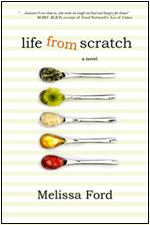
When does non-fiction move into the realm of fiction? How many facts need to change in order for something to become fictionalized? If I were to write a book about a blog writer (oh… wait… I did write a book about a blog writer) who is raising teenage twins and covers the Obama White House (because my life used to be a lot more interesting, bookwise), but I change a few facts around––I make the character an only child instead of having siblings or I give her a different husband––is it fiction?
The New York Times had an article about “reality fiction,” which is popular in Norway. It begins with an author who mined her life for material learning that her sister was publishing a book about what it’s like when your sibling publishes a book about your family.
Try to wrap your brain around it.
An explanation from the article:
The Hjorths’ dueling novels are one of the stranger turns in a controversy about a genre of writing called “virkelighetslitteratur,” or “reality fiction,” that has been roiling the Norwegian literature world recently. Some have accused high-profile Norwegian fiction writers, including Hjorth and the country’s most famous writer, Karl Ove Knausgaard, of violating the privacy of others by publishing intimate details under the guise of fiction.
So the first point is why the reader needs to know that the facts are based in reality. What is the advantage to letting people know that you have first-hand experience with the situation vs. just an astute understanding of human nature? And secondly, what is the point of presenting it as fiction rather than as memoir?
I’m intrigued by this and wonder which novels that I’ve read have a deeper tie to reality than I’ve thought.



2 comments
My favorite librarians recommended Where the Crawdads Sing to me – I tried to read it but couldn’t really get into it. Then I saw that it was possibly based on events in the authors life, and thought…hmmm, might not be a good idea to write about a mysterious death when your husband and son were persons of interest in a mysterious death. (I skimmed to the end of the book, but couldn’t be bothered to really finish it.) At any rate, I think most authors have to mine their lives for ideas – even if it’s just a conversation or a weird momentary encounter, it’s probably going to show up.
I assume that most people don’t have enough material for a memoir (and many of the memoirs I’ve read don’t have enough material for a memoir), and so they take an incident or two and turn it into a different story. I guess the problem is really only that some readers might have some knowledge of the incidents and assume that it’s a memoir rather than fiction.
One of my sisters remembers an interesting history of our childhood that I would consider fictionalized, but she considers truth. So, I can see how family and friends might get upset about mischaracterizations of their past actions, depending on the context of the fiction. It could seem revelatory regarding the author’s true feelings.
Reality fiction has actually cropped up a few times for me over the years – “The Bell Jar” is supposedly pretty true to author Sylvia Plath’s experiences, “The Devil Wears Prada” sold well largely because of the strong supposition that the author had based her antagonist on the very real Anna Wintour, and I read most of the James Herriot novels about being a veterinarian in rural Yorkshire that are also based on his life (his real life boss, Donald Sinclair, named Siegfried Farnon in the books, was apparently not happy with how he was portrayed). I actually can understand writing a memoir as fiction – plausible deniability, also less fact-checking and more license to write bridges/bits that make the narrative flow better but aren’t necessarily *exactly* what happened in real life. It is, definitely, a fascinating genre.